
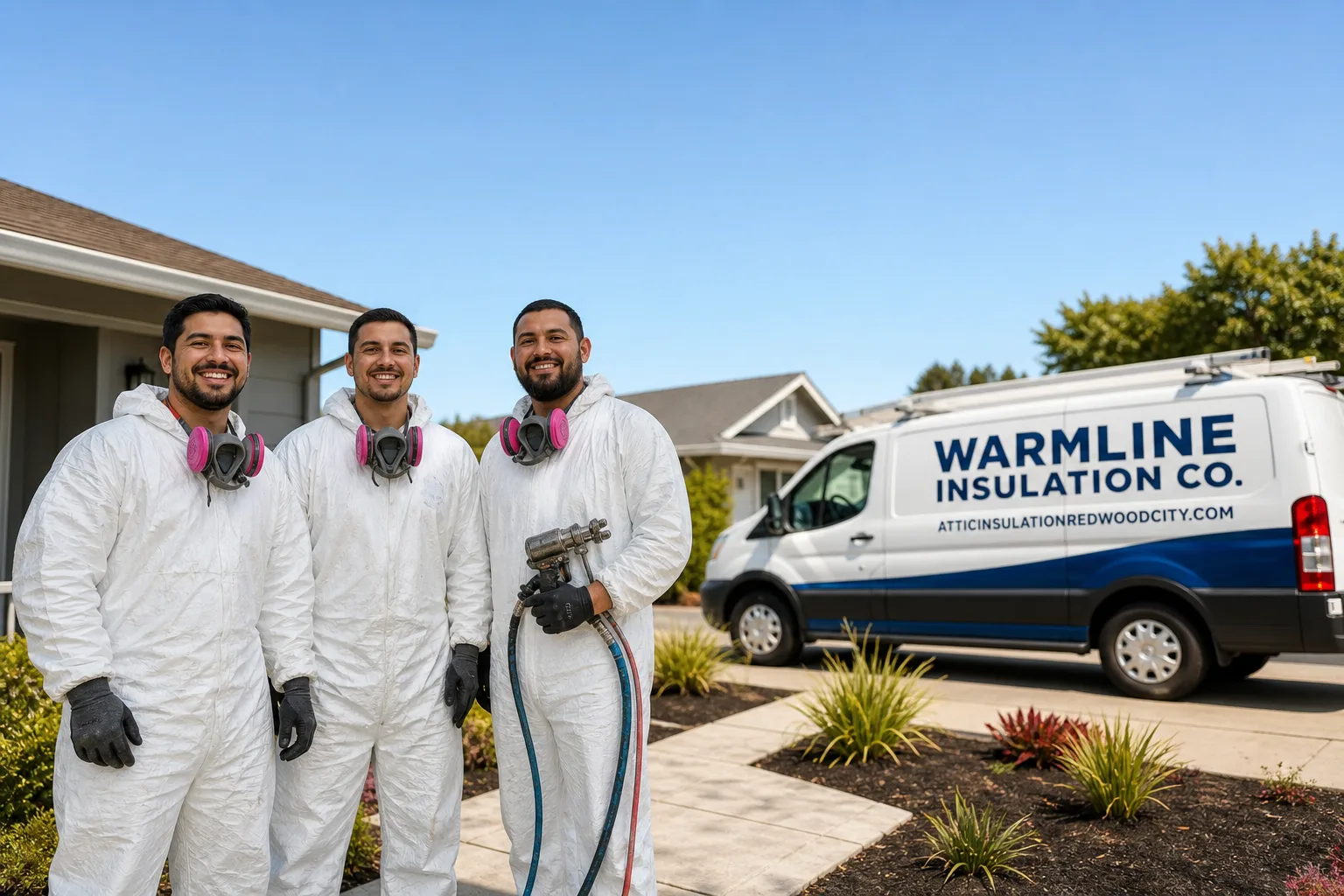
Fast, Reliable Crawl Space Encapsulation & Vapor Barrier Across Mountain View
Crawl space encapsulation in Mountain View typically runs $4,200-$9,800 for a full system, while a standalone vapor barrier replacement usually lands between $1,800 and $3,600 depending on crawl space size and access difficulty. Most Mountain View jobs are completed in one visit, and we carry the materials on the truck to handle Eichler-specific shallow crawls that confuse generalist contractors. If you’re noticing musty smells drifting up through your floors or seeing condensation on vents in your Sylvan Park bungalow, call (650) 204-8447. A live person answers, day or night, and we’ll get a local crew scheduled fast.
Key Takeaways:
- Full crawl space encapsulation in Mountain View: $4,200-$9,800
- Standalone vapor barrier replacement: $1,800-$3,600
- Eichler homes need specialized techniques due to shallow, unvented crawls paired with radiant slabs
- Every job backed by our 90-Day Done Right Promise
- Live person answers 24/7 at (650) 204-8447
Why Mountain View Homes Need a Different Kind of Crawl Space Company
Mountain View sits at the southeastern edge of the marine layer corridor off San Francisco Bay. Morning fog rolls in from the Shoreline and baylands side of town, pushing cool, damp air into residential neighborhoods regularly. That fog does not stay outside. It seeps into crawl spaces through foundation vents, and in Mountain View’s older housing stock, those vents were rarely designed with moisture management in mind. Homes built in the 1950s through 1970s dominate this city, many with original fiberglass batts that have settled into uselessness and vapor barriers that have long since disintegrated. When you combine that with Mountain View’s temperature swings between foggy mornings and warm afternoons, you get condensation inside wall cavities, band joists, and crawl spaces that inland cities like Gilroy simply never experience.
Warmline Insulation Co. has been doing Crawl Space Encapsulation & Vapor Barrier work in Mountain View for years. Our crews know which neighborhoods have the shallowest crawls, which builders skimped on vapor control, and which homes need coordination with other trades before we ever open the crawl door. Neil Ashford, who leads our company, has walked hundreds of Mountain View crawl spaces personally. When you call, you’re not getting a sales script. You’re getting a straight answer about what’s under your house and what it will take to fix it.
Our Crawl Space Encapsulation & Vapor Barrier Services in Mountain View
Crawl Space Vapor Barrier
A proper vapor barrier stops soil moisture from migrating up into your floors and framing. In Mountain View, we regularly replace original 4-mil polyethylene sheets that have brittle-fractured into shards on postwar tract homes. We install 10-mil or thicker reinforced barriers with taped seams and mechanically attached perimeter fastening, sealing the barrier to foundation walls so moisture cannot wick up and rot your sill plate. This is the difference between a barrier that lasts 30 years and a DIY sheet that fails in five.
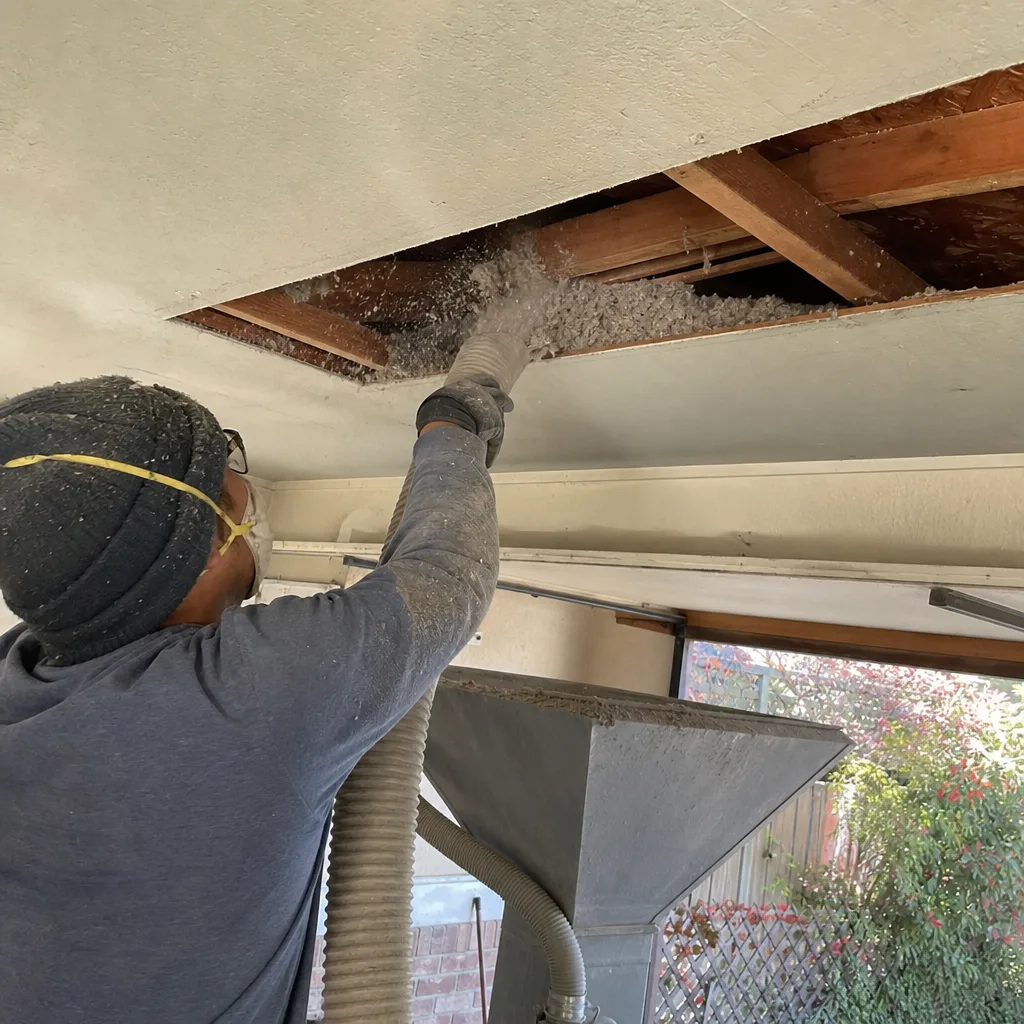
Crawl Space Encapsulation
Full encapsulation seals the crawl space entirely: vapor barrier on floors and walls, foundation vent sealing, rim joist insulation, and a dehumidification strategy. For Eichler homes in Mountain View, this is not a standard job. Those crawl spaces are shallow, often unvented, and tightly coupled to radiant-heated slabs. When cool, fog-driven air meets the warm underside of a radiant slab, condensation forms. A proper encapsulation must address both soil moisture and this condensation mechanism. Our Mountain View crews have done this work in neighborhoods like Sylvan Park, Monta Loma, and Cuesta Park, and we understand the architectural peculiarities that would make a generalist blink.
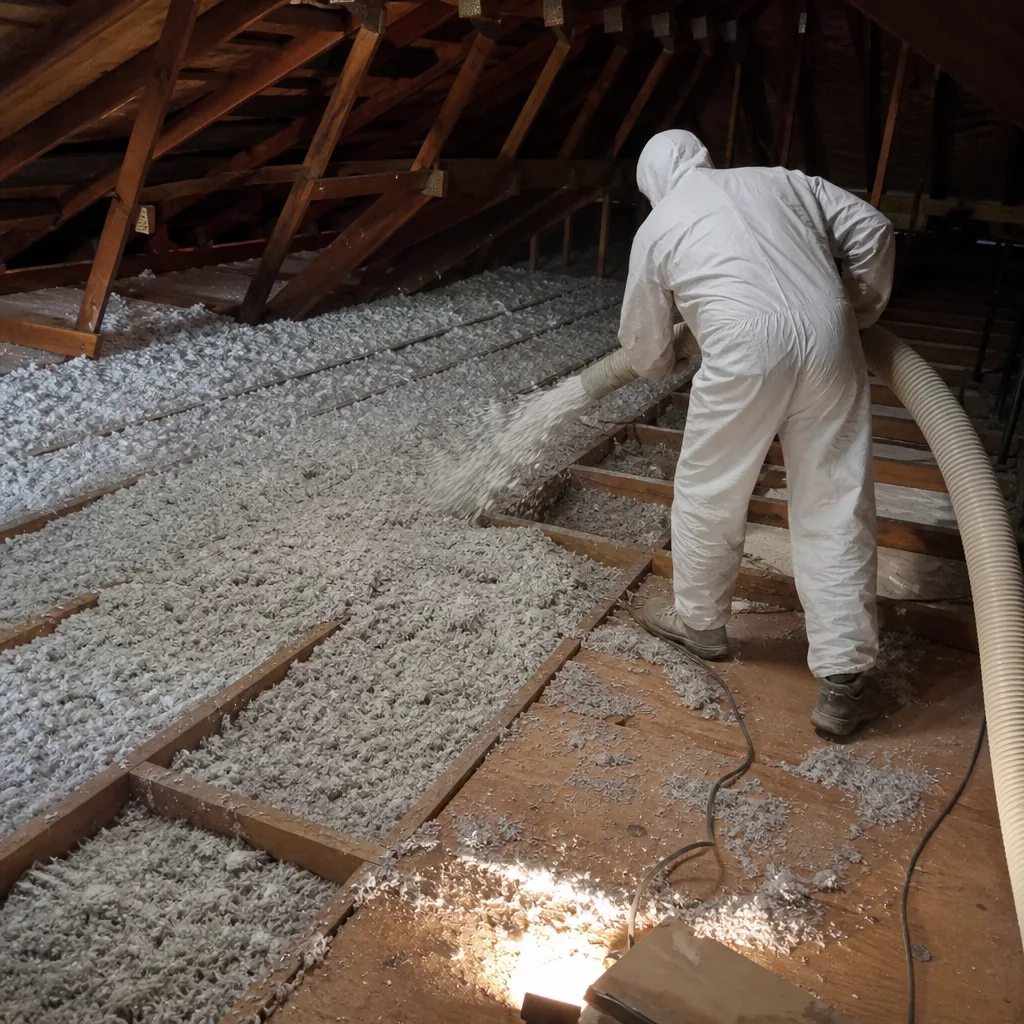
Crawl Space Insulation
Older Mountain View homes often have original fiberglass batts in the crawl space ceiling that have absorbed decades of moisture and lost their R-value. We remove the degraded batts and replace them with rigid foam board or closed-cell spray foam where appropriate. The goal is not just insulation. It’s a thermal break that prevents the warm floor above from meeting cool crawl space air, which is exactly the condition that causes condensation in Mountain View’s fog-influenced microclimate.
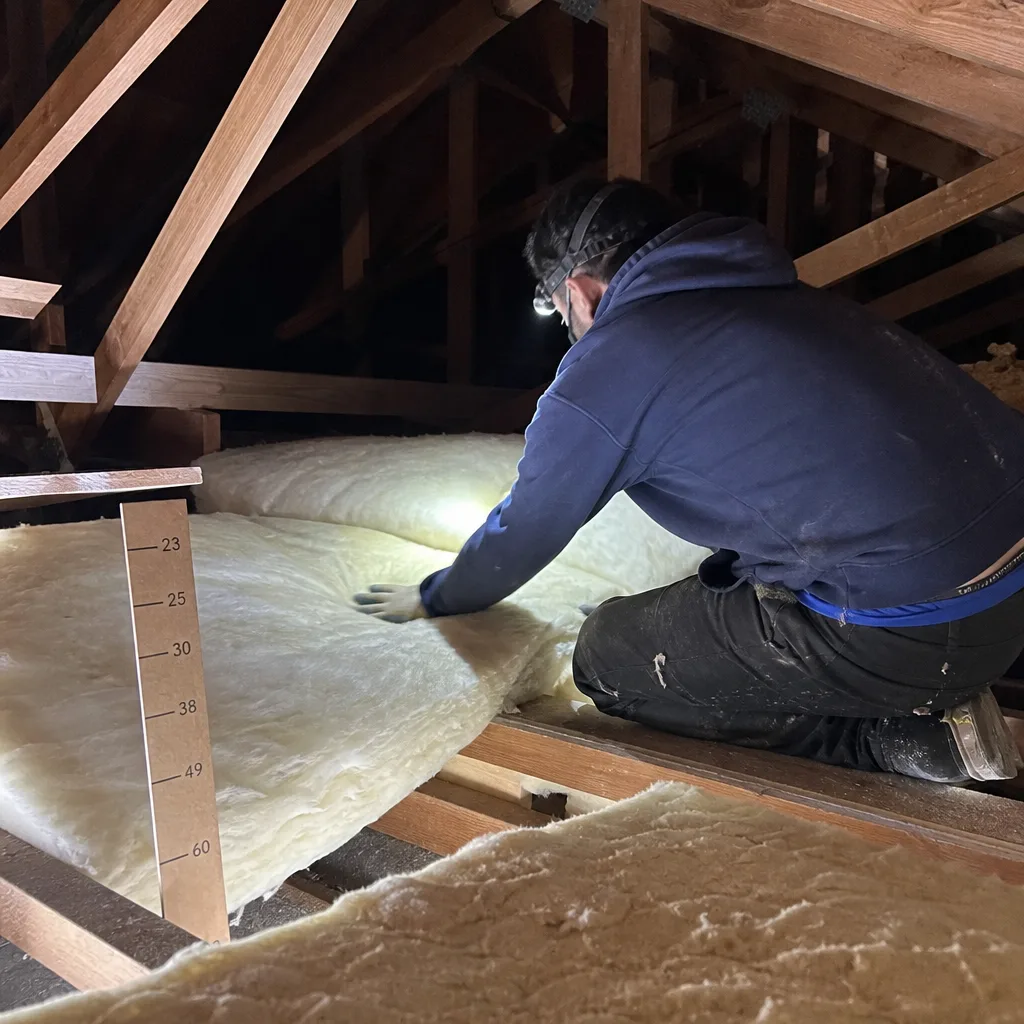
Crawl Space Moisture Control
Moisture control goes beyond the barrier. It includes sealing foundation vents, installing dehumidifiers sized for your crawl space volume, and sometimes adding sump pumps in low-lying areas near the baylands where the water table is higher. In some Mountain View neighborhoods, particularly those close to Shoreline and the former orchard lands, we find seasonal water intrusion that requires active management, not just a sheet of plastic. Our moisture control plans are built around the specific conditions we measure in your crawl, not a template.
What happens when you call
- 1
A real person answersNo phone trees - you reach a local pro.
- 2
You get an upfront price rangeHonest numbers before anyone is dispatched.
- 3
A background-checked tech heads outLicensed & insured, dispatched right away.
- 4
You approve before work beginsNothing starts until you say go.
The Mountain View Crawl Space Problem Most Contractors Miss
Mountain View contains one of the Bay Area’s densest concentrations of Eichler homes. These are 1950s and 60s post-and-beam tract houses built by Joseph Eichler, with flat or low-slope roofs and no conventional attic. That architectural style extends below the floor line, too. Eichler crawl spaces are shallow, often with only 18 to 30 inches of clearance, and they are tightly coupled to radiant heating systems embedded in the slab. Here is what that means in practice: the original vapor barrier in these homes was usually a thin 4-mil sheet laid directly on the dirt. Over 60 years, that sheet has deteriorated into brittle shards. Bare dirt is now exposed, feeding moisture into the radiant-slab floor assembly, which then gets heated from below and drives humidity upward into the living space. At the same time, Mountain View’s morning marine layer fog pushes cool, damp air into those same unvented crawl spaces, where it condenses on cold water pipes and band joists. The combination of radiant heat from above and fog-driven moisture from the sides creates a microclimate under an Eichler that a standard vapor barrier installation cannot address alone.
In Sylvan Park, our crew encapsulated a 1950s post-and-beam home’s crawl space after the original vapor barrier had been shredded by rodent access. We removed the old polyethylene, sealed the foundation vents, and installed a 10-mil reinforced vapor barrier with taped seams, then ran a dehumidifier to bring the relative humidity from 78% down to under 50%. The homeowner can now store boxes under the house without musty smells. That job required coordination with the homeowner’s schedule around the radiant system, because we had to work in the crawl while the slab was cool enough to safely access. This is the kind of detail that only comes from doing this work in Mountain View repeatedly.
Trusted Brands We Install in Mountain View
We install vapor barriers and insulation from Owens Corning, Johns Manville, and Knauf. These are the materials we trust in Mountain View’s damp, fog-influenced crawl spaces because they hold up to humidity cycles without degrading. We stock common sizes and accessories on our trucks so we do not lose a day waiting on parts when we’re already at your house in Cuesta Park or Rex Manor. Most jobs are completed in a single visit, and if something is not right, our 90-Day Done Right Promise means we make it right. Written commitment, not a handshake.
Common Crawl Space Problems We See in Mountain View Homes
- Deteriorated original vapor barriers: Many 1950s and 60s homes in Mountain View still have their original 4-mil polyethylene. It has long since shattered. The result is bare dirt exposed under the house, feeding continuous moisture into the floor assembly. This is the single most common issue we find, and it is invisible until someone goes under the house.
- Condensation from baylands fog: Mountain View’s marine layer pushes cool, damp air into crawl spaces every morning. When that air hits cold water pipes or band joists, it condenses. We see rusted pipe hangers, mold spots on rim joists, and water stains on foundation walls in homes from Rex Manor to Whisman Station.
- Radiant slab coupling in Eichlers: Eichler homes heat from the slab up. Any moisture in the crawl space gets heated and driven upward through the floor. If the vapor barrier is compromised, that moisture carries whatever it picked up from the crawl into your living room. This is why Eichler homeowners sometimes report musty odors that no amount of air freshener resolves.
- DIY barriers not sealed at the perimeter: We frequently find polyethylene sheets laid by well-meaning homeowners or handymen that were never sealed to the foundation walls. Moisture simply travels around the edges, wicks up the concrete, and rots the sill plate. By the time the smell becomes noticeable, damage has already begun.
Pricing for Crawl Space Encapsulation & Vapor Barrier in Mountain View, CA
Here’s what you can expect to pay in Mountain View specifically. A standalone vapor barrier replacement on an average 1,000-square-foot crawl space runs $1,800-$3,600 depending on access difficulty, how much old material needs removing, and whether any debris or pest damage needs addressing first. A full encapsulation with sealed vents, rim joist insulation, and dehumidifier sizing typically lands between $4,200 and $9,800. Eichler homes trend toward the higher end because shallow access slows the work and the radiant slab requires careful maneuvering. Cleanouts with old insulation removal add $800-$1,500 depending on the amount of material. Every quote is upfront and itemized, and most jobs are completed in one visit. We also offer $50 off any repair over $250 and a permanent 5% discount for seniors and veterans.
We Also Serve Cities Near Mountain View
Our Mountain View crews regularly work in Los Altos, Stanford, Cupertino, and Palo Alto. If you live in one of those areas and are dealing with crawl space moisture or a failing vapor barrier, the same team and the same 90-Day Done Right Promise apply. Call (650) 204-8447 and a live person will get you scheduled, whether you’re in Cuesta Park or across the county line.
Serving Mountain View, CA - Our Local Coverage Area
We’re based in the Mountain View area and know this community well. Use the map below to see our service coverage - if you’re nearby, we can almost certainly help.
FAQs: Crawl Space Encapsulation & Vapor Barrier in Mountain View
The marine layer that rolls through Mountain View every morning pushes cool, damp air directly into unsealed crawl spaces through foundation vents and any gaps in the perimeter. This air doesn’t just sit there. It condenses on cold surfaces like water pipes and band joists, and it dramatically increases the moisture load your vapor barrier has to handle. A standard barrier still works, but the real fix in Mountain View is sealing the vents too, because the fog is a year-round condition, not a seasonal one. Call (650) 204-8447 for an exact quote on sealing and encapsulating your crawl space.
Eichler homes in Mountain View have shallow crawl spaces tightly coupled to radiant-heated slabs, which means standard techniques that work in a typical tract home do not translate directly. The radiant system heats from below, so any moisture in the crawl gets driven upward into the floor assembly. At the same time, the shallow clearance makes moving materials and sealing perimeter edges physically harder. Our Eichler-specific approach addresses condensation on the slab underside, not just soil moisture, and we work around the radiant plumbing carefully rather than treating it as an obstacle to bulldoze through.
We remove it first. Original fiberglass batts in a Mountain View crawl space have absorbed decades of baylands humidity and lost their thermal value. Encapsulating over them would trap that moisture inside the new sealed environment, which creates mold conditions worse than what you’re trying to fix. Removal and replacement is part of most of our Mountain View encapsulation projects, and it typically adds $800-$1,500 depending on the volume of material.
The most common cause is a failed original vapor barrier. When that 4-mil polyethylene from the 1960s deteriorated into shards, it exposed bare soil directly under the house. All the moisture in the crawl then evaporates freely and drifts up through floor cracks and gaps around plumbing penetrations. The fix is straightforward: remove the old material, install a 10-mil reinforced barrier sealed to the foundation, and run a dehumidifier to bring relative humidity below 50%. In our Sylvan Park encapsulation job, that took the space from 78% RH to under 50% in about a week of dehumidifier runtime.
Not in most cases. Crawl space work is separate from roof work unless you’re having the exterior rigid foam added to the roof deck at the same time. That coordination applies to attic and roof insulation on Eichlers, not to crawl space encapsulation. What we do coordinate around is the radiant slab: we need the heating system off or at a low point while we work under it, because the added heat makes the crawl space genuinely uncomfortable and can affect adhesive performance on taped seams. Call (650) 204-8447 and we’ll walk you through exactly what your Eichler needs.
Get Your Mountain View Crawl Space Fixed Right
Whether you’re in Sylvan Park, Monta Loma, Cuesta Park, or anywhere else in Mountain View, we’re ready to get under your house and tell you exactly what’s going on. Warmline Insulation Co. is licensed and insured, our technicians are background-checked and uniformed, and every job is backed by our 90-Day Done Right Promise. If it’s not right, we make it right. A live person answers every call at (650) 204-8447, 24 hours a day. Call now for a free, upfront estimate.
Written by Neil Ashford, Owner at Warmline Insulation Co., serving Mountain View and the surrounding Bay Area.