

Fast, Reliable Crawl Space Encapsulation & Vapor Barrier Across Stanford
Crawl space encapsulation in Stanford typically runs $8,000-$18,000 for a full system, while a standalone vapor barrier installation on a standard 1,200-1,800 sq ft crawl space lands between $3,500 and $7,500. Most Stanford jobs are completed in a single visit, and our crews coordinate directly with Stanford Residential & Dining Enterprises when university approval is required. If you’re noticing damp floors, musty odors rising through the floorboards, or condensation on ducts in your crawl space, call (650) 204-8447 and a live person answers, 24/7.
Stanford is not a typical residential market. Nearly every home here sits on university-owned land, and the institution’s own Facilities Design Guidelines layer on top of California Title 24. That changes what a Crawl Space Encapsulation & Vapor Barrier job actually requires: liner specs, seam taping, insulation attachment, and even how we schedule access all have to pass Stanford’s institutional review. We’ve handled enough of these projects to know exactly what the facilities team expects, and we bring that experience to every job from the Faculty Ghetto to Frenchman’s Hill.
Why Warmline Insulation Co. Is Stanford’s Preferred Crawl Space Encapsulation & Vapor Barrier Company
Warmline Insulation Co. has been serving Bay Area homes since 2011, and Stanford work has become a specialty of ours precisely because it’s different from anywhere else. We’re licensed and insured, and every technician sent to a Stanford property is background-checked and uniformed, which matters when you’re coordinating with university personnel. Our crews understand Stanford’s procurement process, the access requirements for campus-managed housing, and the documentation the facilities team wants before and after a crawl space job.
What we hear from Stanford property managers and faculty residents is that they don’t want a generalist. They want a contractor who already knows that a 1950s wood-frame home on the Olmsted Road corridor has a fundamentally different crawl space than a 1990s graduate student complex. We do. We’ve worked in both. And our 90-Day Done Right Promise applies to every job on Stanford land: if the encapsulation isn’t right, we make it right. That written commitment is something most contractors won’t put on paper for a university-managed property.
Response time matters when a vapor barrier has failed and moisture is actively damaging floor framing. We typically reach Stanford properties within one to two business days for assessments, and emergency moisture control calls are prioritized. Call (650) 204-8447 and you’ll speak to a person, not a voicemail tree.
Our Crawl Space Encapsulation & Vapor Barrier Services in Stanford
Crawl Space Vapor Barrier
A properly installed vapor barrier is the foundation of any crawl space moisture strategy in Stanford. The marine layer rolls in most evenings, and the resulting humidity condenses on cold copper pipes and ductwork in vented crawl spaces. We install 12-mil reinforced polyethylene barriers with sealed seams and mechanical fastening, and we always run the material up the foundation walls and piers. On Stanford-managed properties, the facilities team often specifies 12-mil minimum rather than standard 6-mil, which we stock and install as standard practice.
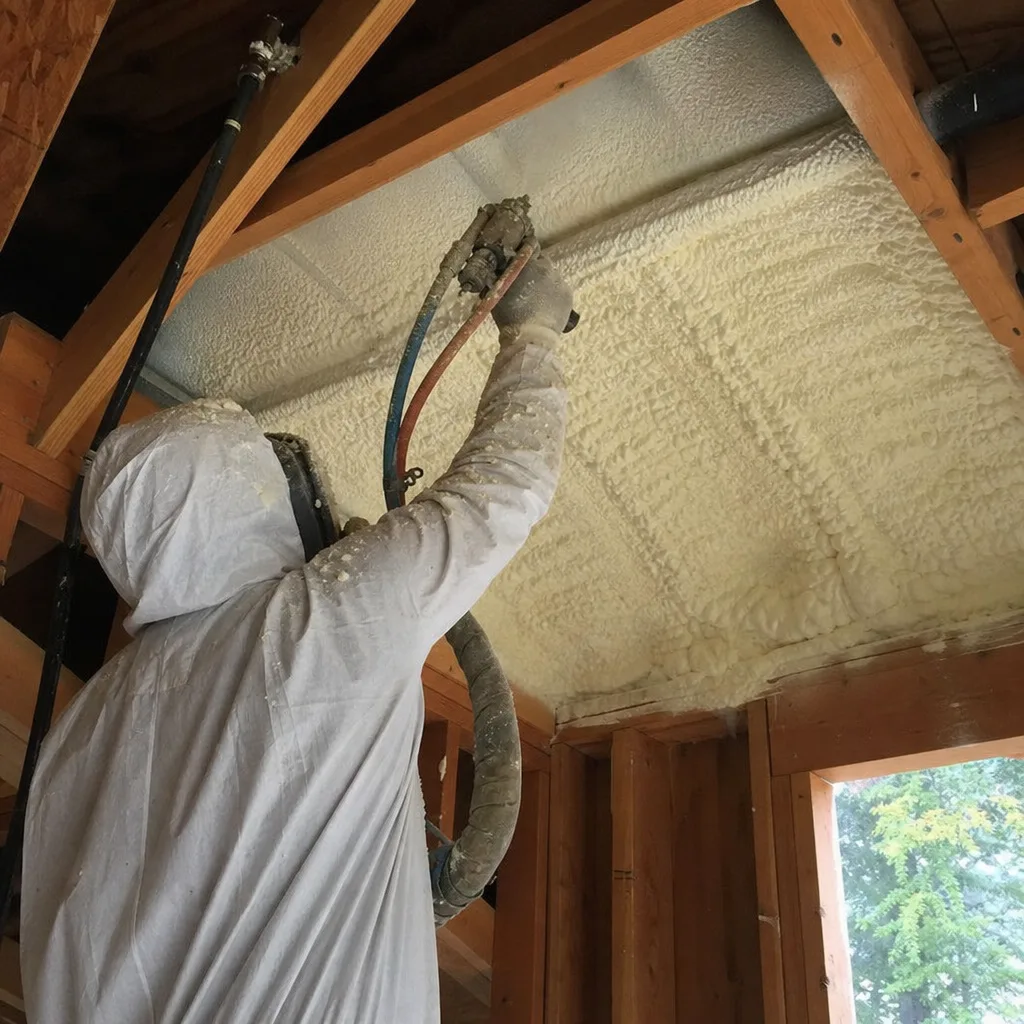
Crawl Space Encapsulation
Full encapsulation goes beyond the floor liner. We seal rim joists, close or condition foundation vents, insulate foundation walls with rigid foam board, and install a dehumidifier sized for the space. In Stanford’s older wood-frame homes, this matters because the 20-30°F diurnal swing creates reverse vapor drive: warm, humid afternoon air enters the crawl space, hits the cool floor framing above, and condenses. A floor liner alone won’t stop that. Sealing the rim joists and conditioning the space will.
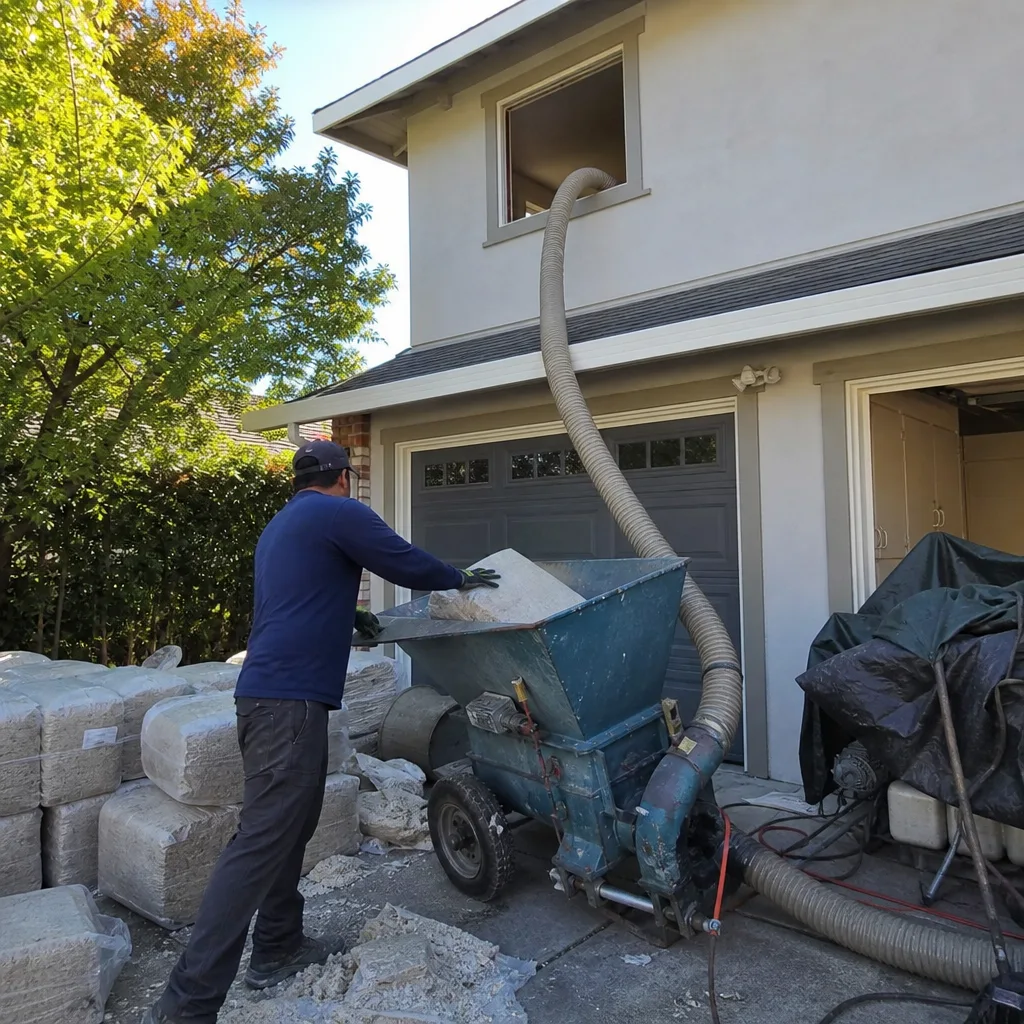
Crawl Space Insulation
For 1920s-1960s faculty homes in the Faculty Ghetto, original crawl space insulation is often nonexistent or has slumped into the dirt. We remove failed fiberglass batts and replace them with closed-cell spray foam or rigid foam board on the foundation walls rather than the floor cavities, which keeps the floor assembly drier and works better with Stanford’s SESI-era heat-pump systems. Knauf and Owens Corning rigid foam products are our standard spec, and we cut and fit them precisely around irregular pier-and-beam layouts.
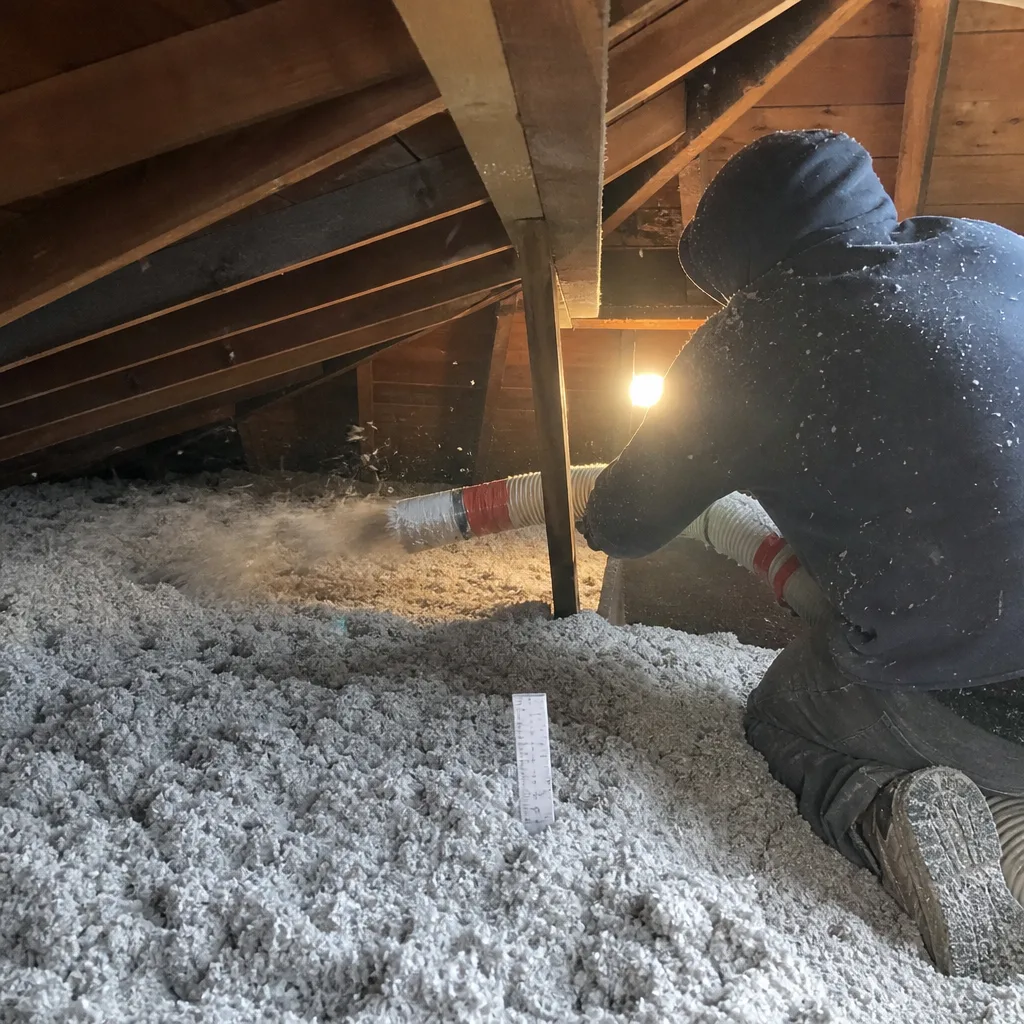
Crawl Space Moisture Control
Moisture control in Stanford isn’t a one-and-done fix; it’s a system. We address groundwater wicking through dirt floors, condensation on mechanicals, and the evening marine-layer humidity that moves through vented crawl spaces. Depending on the space, we may recommend a drainage mat under the barrier, foundation-wall insulation, a crawl space dehumidifier, or all three. For Stanford properties where the facilities team needs documentation, we provide photos and written notes before and after every moisture control step.
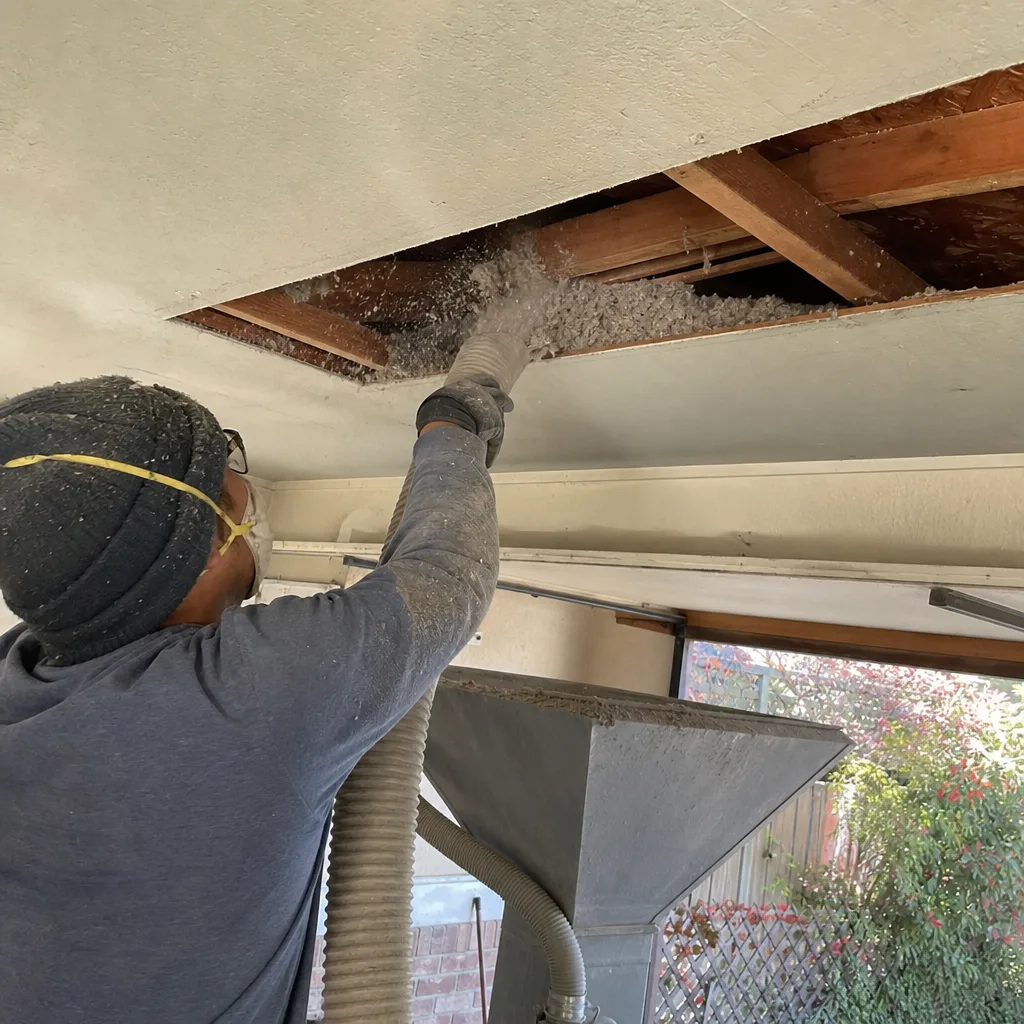
What happens when you call
- 1
A real person answersNo phone trees - you reach a local pro.
- 2
You get an upfront price rangeHonest numbers before anyone is dispatched.
- 3
A background-checked tech heads outLicensed & insured, dispatched right away.
- 4
You approve before work beginsNothing starts until you say go.
Trusted Brands We Service in Stanford
We install insulation and vapor barrier products from Owens Corning, Knauf, and Johns Manville, and we keep common crawl space materials stocked for fast turnaround on Stanford jobs. That means we don’t have to order a 12-mil reinforced liner or rigid foam board from out of state when a faculty home needs encapsulation scheduled around a quarter break. The materials we spec are the same benchmark products Stanford’s facilities planners ask about during project review, and we can provide spec sheets when the procurement office requires them.
Common Crawl Space Encapsulation & Vapor Barrier Problems We See in Stanford Homes
- Condensation on cold copper pipes. Stanford’s night marine layer pushes humidity into vented crawl spaces, and that moisture condenses on cold water lines and heat-pump line sets. The drip lands on insulation batts, saturates them, and mold follows. A vapor barrier helps, but the pipes themselves often need insulation sleeves to stop the condensation at the source.
- Reverse vapor drive from diurnal temperature swings. Stanford regularly swings 20-30°F between hot afternoons and cool, damp nights. Warm humid outside air enters the crawl space, hits the cool floor framing above, and condenses on the underside of the subfloor. If rim joists aren’t sealed and vents aren’t conditioned, the floor barrier alone won’t prevent hidden moisture damage.
- Failed or missing foundation vent screens. The original vent screens in older wood-frame Stanford homes, especially those built before 1960, are often rusted through or torn. Rodents enter through these openings, and we regularly find shredded vapor barrier material dragged into nests under the floor. Part of any encapsulation job in Stanford is replacing or sealing these openings properly.
- Punctured vapor barriers from SESI-era mechanical work. Stanford’s shift from steam to hot-water heat pumps meant contractors ran new line sets through dozens of crawl spaces across campus housing. We’ve seen more than a few 6-mil barriers with accidental punctures from those retrofits. Every puncture is a hidden moisture path, and we inspect the entire liner surface before commissioning a job.
Pricing for Crawl Space Encapsulation & Vapor Barrier in Stanford, CA
Here’s what Stanford homeowners and property managers can expect. Vapor barrier installation alone on a standard crawl space runs $3,500-$7,500, with the price driven by square footage, access height, and whether the space is clean or needs debris removal first. Full encapsulation, which includes rim joist sealing, foundation wall insulation, vent conditioning, and a dehumidifier, typically falls between $8,000 and $18,000 for Stanford’s older wood-frame homes. Crawl space insulation as a standalone service runs $2,000-$5,000 depending on the product and whether existing batts need removal. Moisture control work, including drainage matting and pipe insulation, adds $800-$3,000 depending on scope. Every estimate is free, and you’ll get the number in writing before any work begins. Call (650) 204-8447 for an exact quote.
One note on Stanford specifically: because many properties require Stanford Facilities Management approval before work starts, we recommend reaching out early. The review process doesn’t usually delay the work itself, but it can add a few days to scheduling, and we’ll help coordinate the documentation from our end.
We Also Serve Cities Near Stanford
Our crews regularly work in Stanford and the surrounding Peninsula communities. If you’re in Palo Alto, Menlo Park, Atherton, or Los Altos and need crawl space encapsulation done right, we’re already in your neighborhood on a regular basis. The same 90-Day Done Right Promise and live-person phone support apply everywhere we work.
Serving Stanford, CA - Our Local Coverage Area
We’re based in the Stanford area and know this community well. Use the map below to see our service coverage - if you’re nearby, we can almost certainly help.
FAQs - Crawl Space Encapsulation & Vapor Barrier in Stanford
Yes. The heat-pump loop doesn’t eliminate crawl space moisture; the soil, marine-layer humidity, and temperature swings are all still present. In fact, the SESI-era heat pumps are more sensitive to humid conditions than the old steam system was, because cold refrigerant lines sweat in damp air. A vapor barrier reduces that condensation, protects the floor framing from mold, and lowers the humidity load on the heat-pump system itself. Call (650) 204-8447 and we’ll walk you through what your specific crawl space needs.
Stanford sits in a thermal pocket that gets hot during the day, often reaching the upper 80s to low 90s°F, while Half Moon Bay stays cooler and more consistent. That heat pulls more moisture into the air during the afternoon, and then Stanford’s evening marine layer drops temperatures fast, causing that humid air to condense on cool surfaces inside the crawl space. Half Moon Bay gets moisture too, but without the big daytime heat spike, the condensation cycle isn’t as aggressive. That’s why sealed rim joists and conditioned crawl spaces matter more in Stanford than in a coastal town with steadier temperatures.
Stanford’s Facilities Design Guidelines generally specify a minimum 12-mil liner with sealed seams, not the standard 6-mil overlap you might see on a private Palo Alto home. We install to that spec on every Stanford job, whether it’s a faculty rental or a graduate student complex. If you’re managing a Stanford property and need documentation of the materials and sealing method, we provide that with every completed project. Call (650) 204-8447 for specifics on your building.
We’ve worked on those. The approach starts with clearing debris and assessing the structural condition before any encapsulation work. We add proper pier support where needed, including SmartJack stabilization for sagging beams, then run the vapor barrier up over the irregular foundation edges and seal around every post and pier penetration. The goal is a continuous air and moisture seal even when the foundation is far from level or uniform. These older Stanford rentals need patient, detailed work, and that’s the kind of job we’re built for.
Yes, especially if you’re seeing condensation on ducts or a musty smell in first-floor units. A modern HVAC system doesn’t solve crawl space humidity; it just circulates air through the building. Without a vapor barrier and moisture control, the crawl space keeps feeding humid air into the living space, forcing the HVAC to work harder and creating mold risk on floor framing. We can encapsulate the crawl space and, where the building is large enough, recommend dehumidifier placement that covers multiple zones. Call (650) 204-8447 for a site assessment and a written quote.
Written by Neil Ashford, Owner at Warmline Insulation Co., serving Stanford and the Bay Area since 2011.