
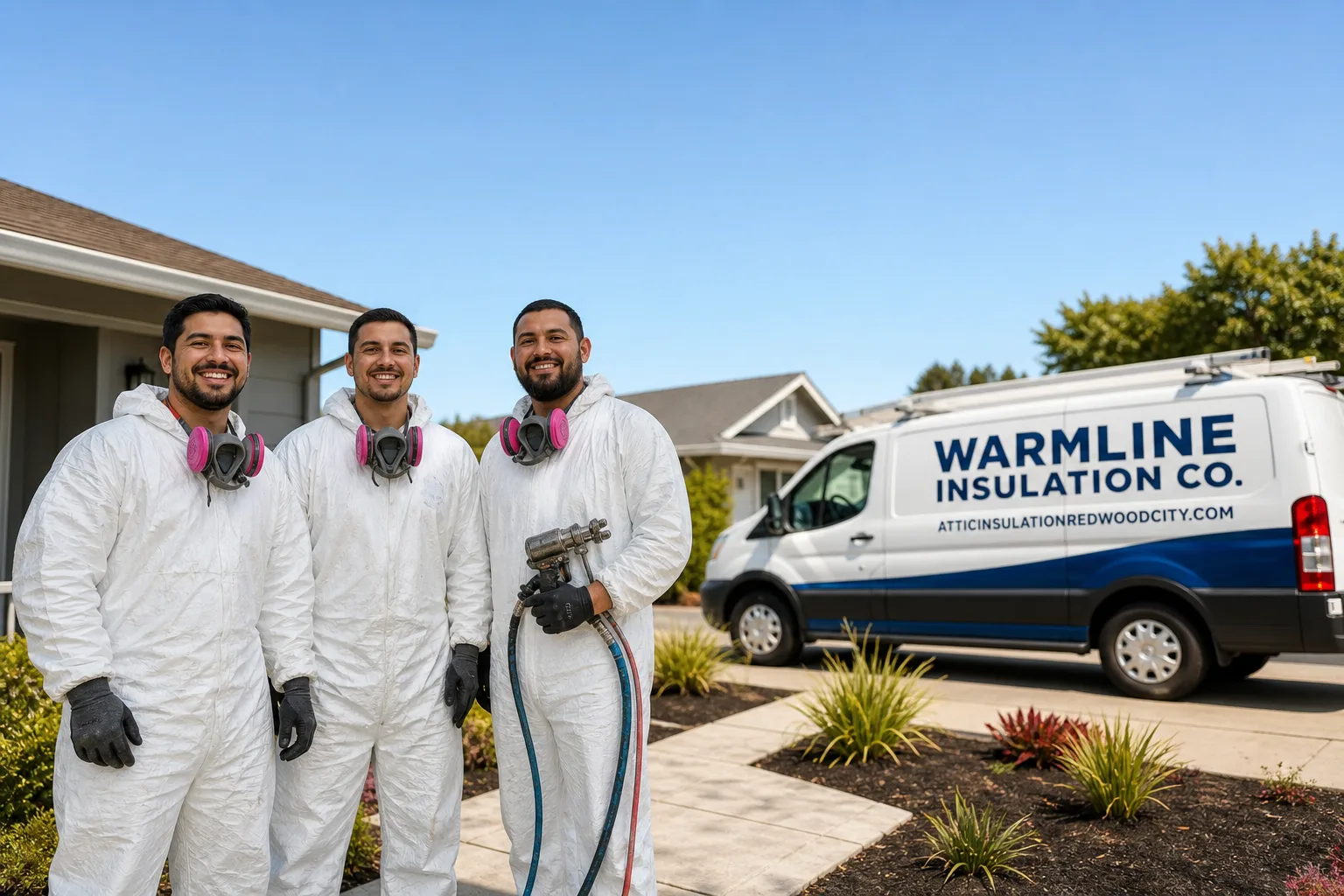
Fast, Reliable Attic Insulation Across Stanford
Attic insulation in Stanford, CA usually costs between $1,800 and $4,600 for a full attic retrofit, with top-ups running $900 to $2,200 depending on square footage and access. Most homes here need a hybrid approach: air sealing first, baffle installation second, then blown-in insulation to hit Stanford’s post-SESI energy targets. We serve Stanford properties directly, including university-managed faculty housing, and crews typically reach campus addresses within 30 to 60 minutes. Call (650) 204-8447 and a live person answers, 24/7, not a voicemail.
Why Warmline Insulation Co. Is Stanford’s Preferred Attic Insulation Company
We’ve been insulating attics in Stanford since 2011, and the university-owned housing stock here is unlike anywhere else on the Peninsula. The Stanford campus sits in a thermal pocket that runs 20 to 30°F warmer by day than San Francisco, then dips hard at night with marine-layer moisture rolling in. That swing wrecks attics that were never vented properly. Warmline Insulation Co. handles everything from the initial attic thermal boundary audit to baffle installation, air sealing, and blown-in insulation, all under our 90-Day Done Right Promise. If it isn’t right, we make it right, in writing.
Homeowners and Stanford Facilities coordinators keep calling us back because we show up with background-checked, uniformed technicians who know the difference between a 1930s Olmsted Road faculty home and a newer graduate student complex. Most jobs wrap in a single visit. Upfront pricing, confirmed before we start, and a live person on the phone when you call (650) 204-8447.
Our Attic Insulation Services in Stanford
Every Attic Insulation project in Stanford starts with a diagnostic look at what’s actually happening in the attic, not a generic quote over the phone. Here’s what we handle most days across campus and the surrounding faculty neighborhoods.
Blown-In Attic Insulation
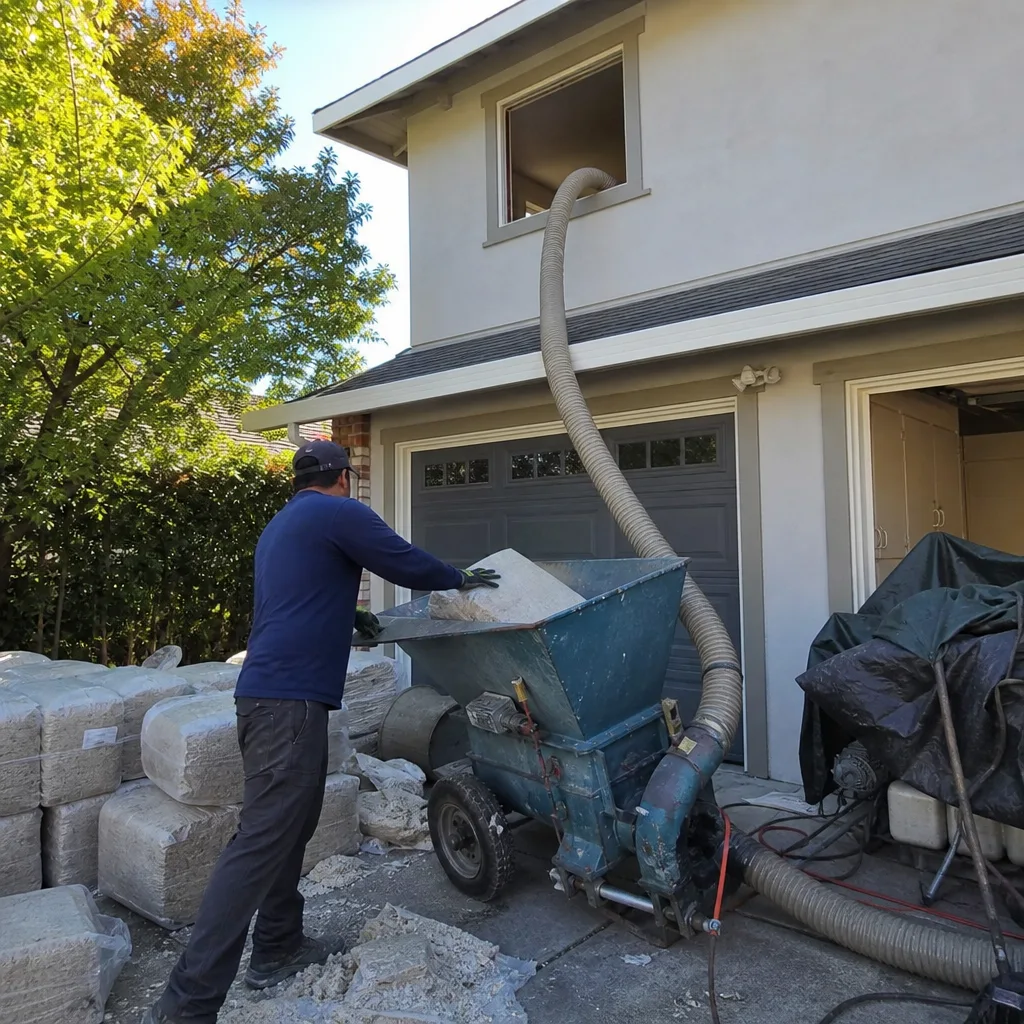
Blown-in fiberglass or cellulose is the most common retrofit for Stanford’s older wood-frame homes because it fills irregular joist bays and settles evenly around obstructions. We use Owens Corning and Johns Manville blown-in products, installed to Stanford’s depth requirements and inspected for thermal bypasses before we leave. For the 1920s-to-1960s Faculty Ghetto stock on Frenchman’s Hill and the Olmsted Road corridor, blown-in typically adds R-38 to R-49 over what’s already there, cutting heat-pump heating loads by 15 to 25 percent annually.
Attic Batt Insulation
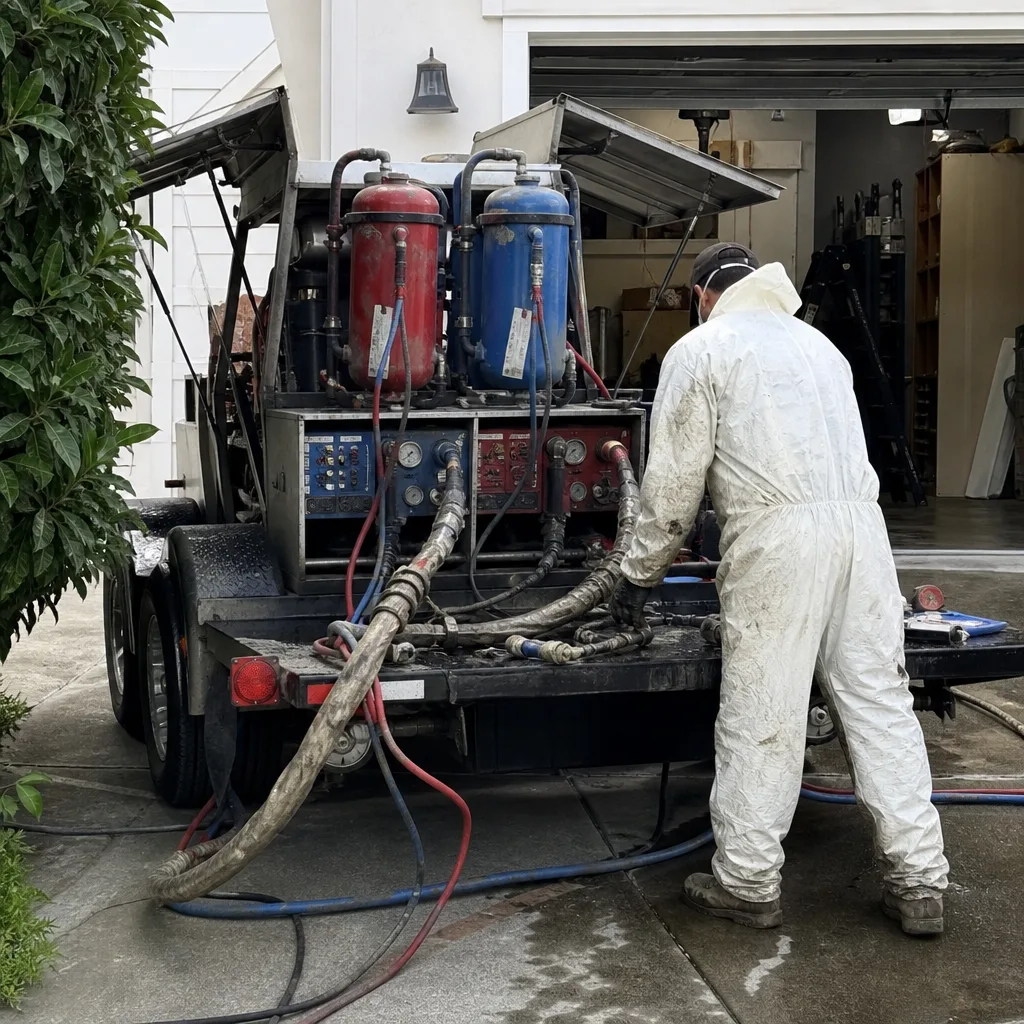
Batt insulation works best in Stanford attics with uniform joist spacing, most common in newer research support buildings and some mid-century faculty homes with predictable framing. We lay Knauf and CertainTeed batts in clean, ventilated spaces, and we don’t compress them, because compression kills R-value faster than most homeowners ever realize. In Stanford’s low-90s°F summer afternoons, an uncompressed batt performs dramatically better than one squeezed into a 2×4 bay.
Attic Insulation Top-Up
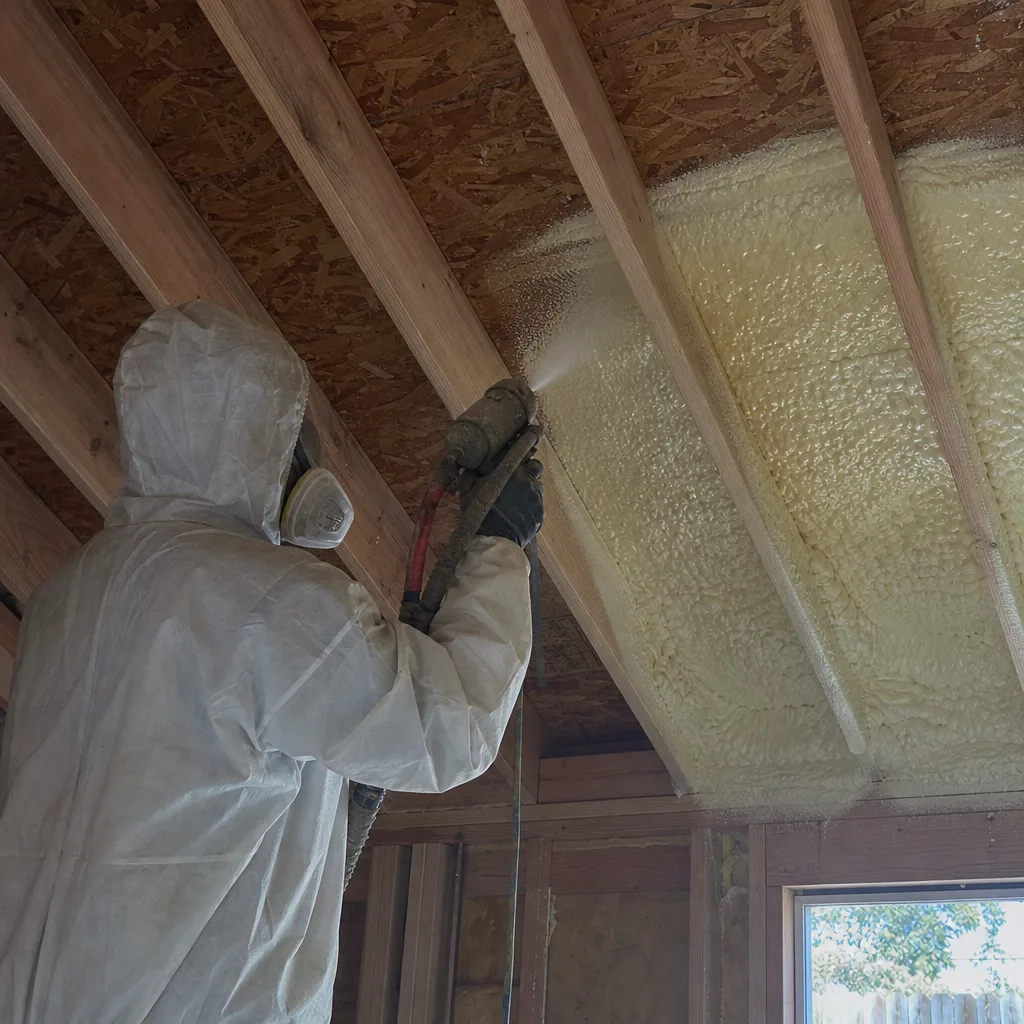
Most Stanford attics don’t need full removal. They need a top-up. If your existing insulation has settled, compressed, or lost coverage around recessed cans and chase openings, we add blown-in insulation directly over it after confirming the old material is dry and intact. Top-ups in Stanford average $900 to $2,200 and take one crew day, including baffle repair where soffit vents have been bridged. This is the fastest fix for homes where the SESI heat-pump conversion suddenly made heating costs visible on the monthly Stanford utilities statement.
Attic Insulation Replacement
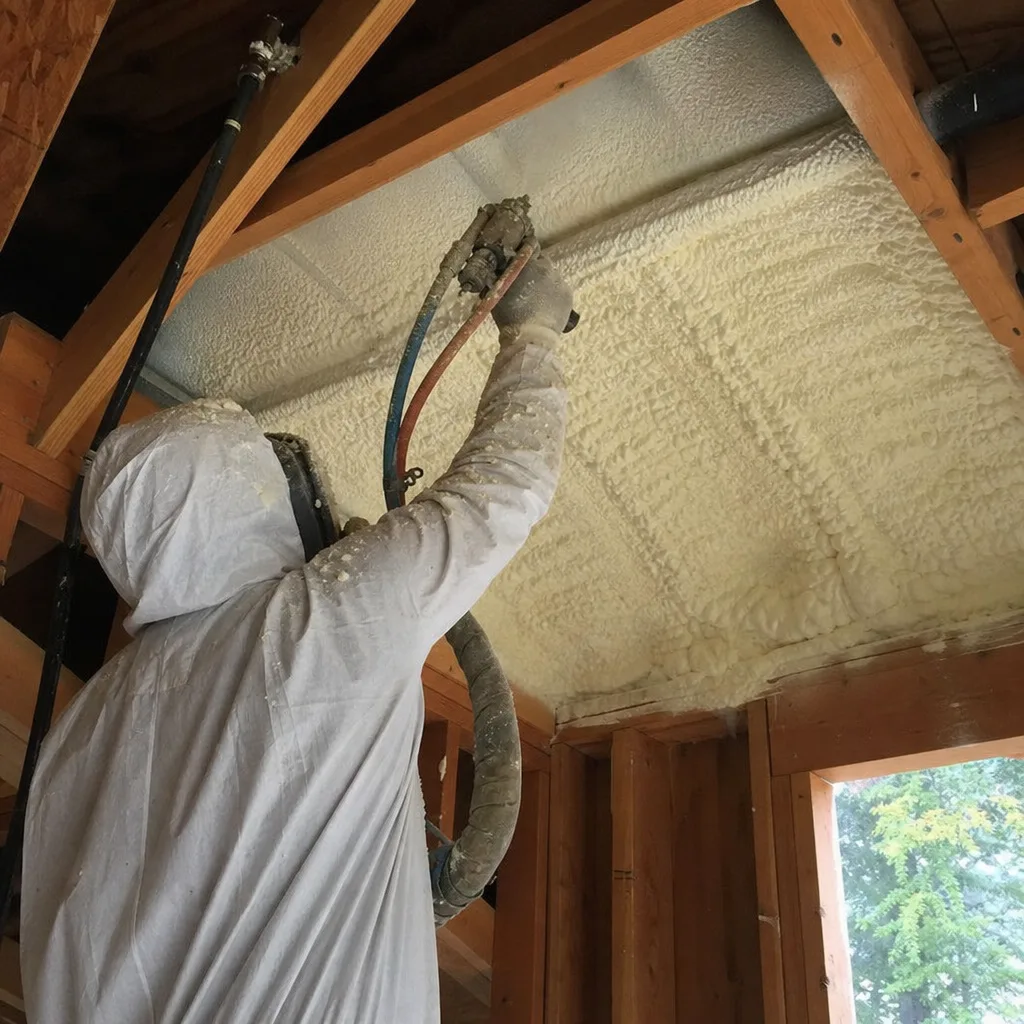
When insulation has been soaked by condensation, chewed through by rodents, or filled with decades of dust and debris, replacement is the better call. We remove the old material, sanitize the deck, install fresh baffles, and blow in new insulation to current Stanford and Title 24 standards. Full replacement in Stanford usually falls between $3,200 and $5,400, and we complete most in a single day. Our 90-Day Done Right Promise applies to every replacement, no exceptions.
What happens when you call
- 1
A real person answersNo phone trees - you reach a local pro.
- 2
You get an upfront price rangeHonest numbers before anyone is dispatched.
- 3
A background-checked tech heads outLicensed & insured, dispatched right away.
- 4
You approve before work beginsNothing starts until you say go.
Trusted Brands We Service in Stanford
Warmline Insulation Co. installs and services insulation from the brands Stanford’s own sustainability procurement recognizes for durability and low-VOC performance. We stock Johns Manville and Knauf blown-in and batt products for Stanford jobs, with CertainTeed available for projects requiring specific acoustical or fire ratings. Because we keep these materials staged for Peninsula dispatch, turnaround on Stanford attic work is fast: most estimates happen within 48 hours and most jobs complete within a week of approval. You won’t wait two weeks for a crew that doesn’t understand university access protocols.
Common Attic Insulation Problems We See in Stanford Homes
Stanford’s specific housing stock and climate create a predictable set of attic failures. We’ve seen every one of these multiple times on campus properties.
- Diurnal condensation on roof sheathing. The 20 to 30°F swing between Stanford’s hot afternoons and cool, marine-layer nights pulls moisture into unvented attics. That moisture condenses on plywood sheathing and drops the effective R-value of insulation by up to 30 percent. We address this with baffles and air sealing before any new insulation goes in.
- Bridged soffit vents in 1920s-to-1960s faculty homes. Older Olmsted Road and Frenchman’s Hill homes often have open soffits without baffles. Blown-in insulation drifts into the eaves, blocks the soffit vents, and traps moisture. In Stanford, this is the number one cause of premature roof deck rot and mold in older faculty housing.
- Thermal bypasses around chases and recessed cans. In homes converted from steam to electric heat pumps under Stanford’s SESI system, warm air sneaks into the attic through unsealed chases, plumbing penetrations, and recessed light housings. Skipping the thermal boundary audit means heat-pump savings quietly vanish. We seal these before insulating, every single job.
- Original minimal insulation in pre-Title 24 homes. Many Stanford faculty homes built between 1925 and 1965 still have nothing but a few inches of degraded fiberglass or even newspaper. They predate California’s Title 24 energy code by decades. Top-ups and full retrofits on these homes typically deliver the fastest payback campus-wide.
Pricing for Attic Insulation in Stanford, CA
Here’s what Stanford homeowners and university property managers can expect to pay for attic work, based on jobs we’ve completed across campus since 2011.
| Service | Typical Range (Stanford) |
|---|---|
| Attic Insulation Top-Up | $900 – $2,200 |
| Blown-In Full Attic Retrofit | $1,800 – $4,600 |
| Attic Batt Insulation (new install) | $2,100 – $4,200 |
| Attic Insulation Replacement | $3,200 – $5,400 |
| Attic Baffles & Ventilation Prep | $400 – $1,100 |
Square footage, access difficulty (some Stanford attics are narrow and low-slope), and whether we’re coordinating with Stanford Facilities Management all affect the final number. We give you a written, upfront price before work begins. Estimates are free. Call (650) 204-8447 and we’ll schedule a diagnostic visit, not an aggressive sales pitch.
Standing discounts apply in Stanford: $50 off any repair over $250, an $89 seasonal tune-up, and a permanent 5 percent senior and veteran discount. We don’t invent new promotional offers.
We Also Serve Cities Near Stanford
Warmline Insulation Co. serves Stanford and the surrounding Peninsula communities, including Palo Alto, Menlo Park, Atherton, and Los Altos. The same crew, the same live-answer phone line, the same 90-Day Done Right Promise. If you’re just outside campus boundaries, call (650) 204-8447 and we’ll confirm coverage for your street.
Serving Stanford, CA - Our Local Coverage Area
We’re based in the Stanford area and know this community well. Use the map below to see our service coverage - if you’re nearby, we can almost certainly help.
FAQs - Attic Insulation in Stanford
Yes, in most cases. Because Stanford University owns virtually all residential land on campus, attic insulation work in faculty housing is governed by Stanford’s own sustainability procurement standards in addition to California Title 24. We coordinate directly with Stanford Facilities Management on access, material approvals, and scheduling. If you’re in a university-managed property, call us first and we’ll help you navigate the approval path. We’ve done it for years and know the process well.
Yes, and post-SESI, it matters more than ever. Stanford’s 2015 SESI conversion replaced abundant, inexpensive steam heat with electric heat pumps, which makes heating costs far more visible on university utility statements. In older faculty homes around Olmsted Road and Frenchman’s Hill, attic insulation retrofits reduce heat-pump heating loads by 15 to 25 percent. The fix pays for itself faster now than it did when steam was nearly free. For an exact number on your home, call (650) 204-8447 for a free estimate and a thermal boundary audit.
Stanford’s location in a thermal pocket means afternoon temperatures climb into the upper 80s and low 90s°F while nights still bring marine-layer moisture, creating 20 to 30°F diurnal swings. Coastal San Francisco doesn’t see that temperature differential. In Stanford, those swings pull moisture into attics and condense on roof sheathing, and without baffles to keep insulation out of the soffit vents, that moisture gets trapped. Baffles are cheap insurance against roof deck rot and mold here, and we install them on every blown-in and top-up job as standard practice.
Stanford’s procurement standards favor insulation products with verified low-VOC profiles, high recycled content, and third-party certifications. In practice, we install Johns Manville, Knauf, and CertainTeed products on Stanford properties, all of which meet or exceed campus sustainability benchmarks and California Title 24 requirements. We confirm material specs with Stanford Facilities Management before any project starts, so there are no surprises at inspection.
Usually, yes. In a 1930s Olmsted Road faculty home we worked on recently, we topped up the original minimal insulation with Owens Corning blown-in fiberglass after first installing baffles to protect the new heat-pump system from condensation. The old insulation was dry and structurally sound, so full removal wasn’t necessary. If existing insulation is wet, moldy, or rodent-damaged, we recommend replacement instead. We’ll tell you which applies after a 30-minute attic inspection. Call (650) 204-8447 and a live person will schedule it.
Call Warmline Insulation Co. for Attic Insulation in Stanford
If your Stanford home has high heating bills since the SESI heat-pump conversion, uneven room temperatures, or moisture in the attic, we’ll diagnose it and fix it in one clean visit. Neil Ashford and the whole Attic Insulation team at Warmline Insulation Co. work under the 90-Day Done Right Promise. Licensed and insured, background-checked technicians, upfront pricing, and a live person at (650) 204-8447 whenever you call. Estimates are free.
Written by Neil Ashford, Owner at Warmline Insulation Co., serving Stanford and the Peninsula since 2011.